Featured
Table of Contents
A postmortem examination located that he couldn't breathe in the securely secured outdoor tents where he was made to sleep. There's little, if any kind of, research into what ends up being of grown-up graduates of wild treatment programs years later. One 2004 study discovered that 83% of wild treatment participants that participated in a structured interview stated they were doing much better 2 years after their programs finished.
A few choices to wilderness treatment include: Wraparound treatment. The group consists of family participants and friends as well as mental health and wellness professionals. The layout enables the youngster and household to get intensive treatment without eliminating the kid from home.
This method includes school-based training and counseling for the kid and their family. The training happens in the classroom with all the students rather than distinguish distressed youngsters. Trauma-focused cognitive behavior modification (CBT). CBT is a sort of psychotherapy or talk therapy. This style can be tailored to many various issues, ranging from injury to sleep problems to obsessive compulsive disorder.
Patient Protection in Ketamine Sessions
Breaking Code Silence and Unsilenced are nonprofit groups whose goal is to end abuse in distressed teenager programs and assistance survivors of abuse. Both have sites with state-by-state guides for reporting youngster misuse, privacy infractions, values violations, and fraudulence within distressed teen programs. Unsilenced additionally provides links to support system and provides a Survivor's Overview.
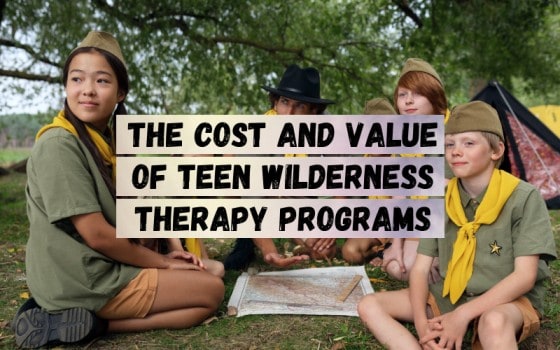
Wild treatment typically entails taking groups of teens right into the timbers, hills, or desert for immersion in wild living. The idea is that meeting the challenges of outdoor living aids them get confidence and discover cooperation. It's not clear how reliable these programs are, and there have actually been records of disregard and misuse.
Breaking Code Silence is a nonprofit organization that represents individuals who were mistreated or traumatized by the struggling teen sector and aims to avoid future misuse. Wilderness therapy is legal. But lots of critics say it's poorly regulated and needs extra oversight. The Quit Institutional Kid Misuse Act, which would develop government data-collection and reporting standards for the "troubled teenager" sector, was presented in Congress in 2023.
Therapeutic Playlist at Psilocybin-Assisted Psychotherapy
The obstacle is meant to bring around change at a metaprocess degree (practices, cognitions and unconscious procedures that hinder or sustain healing adjustment) (Itin, 2001). In both situations the treatment need to be targeted at young people that are at risk of offending, that includes those who have actually currently angered. That is, we will consist of only secondary and tertiary treatments.
There is an expanding body of proof that direct exposure to nature has favorable therapeutic effects. The outdoor setting of the wild program offers corrective advantages from direct exposure to nature.
Youngsters and Youth are described wilderness programmes, for instance, by Youth Offending Teams in England, or as part of a diversion programme in the USA. However participation may be volunteer, so participants may quit at any moment. However doing so is a bigger bargain when already having devoted to a multiday activity in a remote area, instead of state a regional activity centre with excellent public transportation connections.
Research Evidence regarding Psilocybin-Assisted Psychotherapy

Stopping dropout might likewise be sustained by preparation activities before the wilderness component. As gone over below, taking on a group obstacle can help bonding. Doing so in an unfamiliar environment, such as a wild setup, might by itself assist in bonding. It may also promote the partnership with the counsellor as the young adult relies on a 'overview' in an unknown setting.
Youth may be more probable to open in a structured task where the focus is on a challenge than if they are sat if a circle and told 'tell us about your feelings'. The style of wilderness treatment programs addresses communication difficulties amongst teens by doing this (Fletcher & Hinkle, 2002).
Payment Options for Psilocybin-Assisted Psychotherapy
Effective involvement in the program can have positive peer results within the program. The quality of the relationship with the program counsellor may be an essential mediator.
This result might additionally be there for wilderness, though their minimal period may limit or completely anticipate this result. Young people joining the wilderness, treatment programme are away from their regular daily atmosphere and for this reason this avoids them from entering difficulty. The courses are of minimal period so this direct diversion effect will certainly not be large.
Duration comprises 3 components: session length, number of sessions and general duration of the program. So, as an example, a training course may have full day sessions every weekend for 2 months. There are debates both methods as to whether a more intense course (state, every day, for two weeks) will certainly have a larger or smaller sized impact.
Eligibility Criteria for Trauma therapy
Wild therapy is facilitated by certified specialists that might offer counselling assistance to participants either informally or with a formal therapy component. Required skills are technological abilities associated with jobs (canoeing, climbing and so on), health and wellness, and facilitation and healing skills. Along with therapy, program counsellors may play a mentoring function.
Both the presence of a counselling component and the certifications of the counsellor might be important moderators, as is room enabled in the program for either formal or casual mentoring., describes just how healing wild, obstacle task and adventure knowing programs lead to the results such as reduced antisocial behaviour, physical violence and offending practices.

Latest Posts
Multilingual Psychotherapy: Breaking Down Language Obstacles in Mental Healthcare
Tension Solutions with Measurable Outcomes
Continued Healing After Treatment